


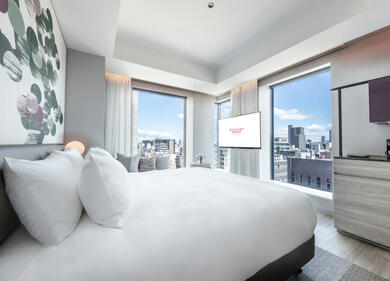
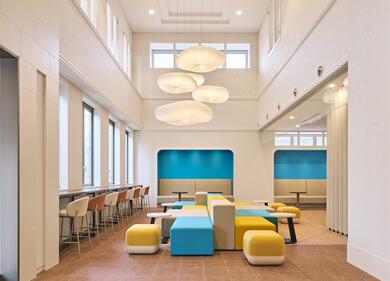
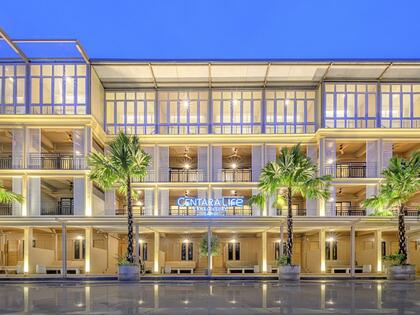
Beyond the lights of Dotonbori and the crowds of Shinsaibashi, Osaka reveals itself in quieter layers: working markets, retro neighbourhoods, small cultural venues, unexpected green spaces and streets dedicated to the craft behind the city’s famous food culture. For guests staying at Centara Life Namba Hotel Osaka, these lesser-seen places offer a more local perspective of Namba and its surrounding districts.
URA-NAMBA
Approximate walk from hotel: 10 to 15 minutes
Best for: Local dining streets, evening atmosphere, small bars and casual eateries
Main thing to see: The narrow backstreets behind Namba’s main entertainment areas
Ura-Namba, meaning “back Namba,” is a smaller, more local-feeling dining area behind the main Namba streets. It is less polished than the main tourist routes and gives guests a sense of how Osaka locals eat and gather after work.
ZEPP NAMBA AREA
Approximate walk from hotel: 2 to 5 minutes
Best for: Contemporary local music culture
Main thing to see: The live-house culture around Zepp Namba
Just around the corner from the hotel, the Zepp Namba area offers a different perspective of Osaka: not heritage, not food, but the city’s contemporary music and event culture. Zepp Namba is located at 2-1-39 Shikitsu Higashi, Naniwa-ku, close to Imamiyaebisu and Daikokucho stations. Even guests who are not attending a concert can appreciate how this part of Namba connects the hotel’s neighbourhood to Osaka’s live performance scene.
NANIWA WARD BACKSTREETS AROUND SHIKITSUHIGASHI
Approximate walk from hotel: 1 to 10 minutes
Best for: Everyday Osaka, quiet streets, local architecture
Main thing to see: Small residential lanes, neighbourhood shops and the contrast with busy Namba
One of the most understated hidden gems is the immediate neighbourhood around the hotel itself. Shikitsuhigashi is close to major transport and entertainment areas, yet parts of it feel quieter and more residential. This gives guests a chance to see a softer version of Osaka, with small local businesses, apartment buildings, bicycle-lined streets and everyday urban details.
SENNICHIMAE DOGUYASUJI SHOPPING STREET
Approximate walk from hotel: 10 to 13 minutes
Best for: Culinary craft and restaurant culture
Main thing to see: Kitchen knives, cookware, ceramics and realistic food displays
Sennichimae Doguyasuji is a wonderful alternative to ordinary souvenir shopping because it reveals the craft behind Osaka’s food culture. Sennichimae Kitchenware Street s often highlighted as a unique area near Namba Station selling kitchenware, including Japanese kitchen knives. This is a strong “hidden gem” for guests who are curious about the practical artistry behind Japan’s dining scene.
OSAKA KIZU WHOLESALE MARKET
Approximate walk from hotel: 5 to 8 minutes
Best for: Local morning life and food culture
Main thing to see: Seafood, produce stalls and wholesale market activity
Close to the hotel, Osaka Kizu Wholesale Market offers a more local alternative to the better-known Kuromon Ichiba Market. It is a market with a history of more than 300 years and a place known as part of Osaka’s food culture. The main thing to see is the working rhythm of the market: seafood, produce, vendors and morning activity. It is best recommended as an early-day experience for guests who want to see Osaka before the tourist areas become busy.
NATIONAL BUNRAKU THEATRE
Approximate walk from hotel: 18 to 22 minutes
Best for: Traditional performing arts
Main thing to see: Bunraku puppet theatre and cultural exhibitions
The National Bunraku Theatre is one of the best ways to introduce guests to Osaka’s deeper cultural identity. The theatre focuses on Bunraku, a traditional puppet theatre form closely connected with Osaka and the Kansai region. This is a more thoughtful cultural stop than the usual tourist landmarks. The main thing to see is the theatre itself and, depending on schedule, exhibitions or performances. It is a good recommendation for guests who are interested in theatre, craftsmanship, storytelling and Japanese performance traditions.
KAMIGATA UKIYO-E MUSEUM
Approximate walk from hotel: 20 to 25 minutes
Best for: Small-scale art and Osaka theatre culture
Main thing to see: Edo-period actor prints from the Kansai region
Near Hozenji, the Kamigata Ukiyo-e Museum gives guests a quiet cultural counterpoint to the brightness of Dotonbori. It focuses on Kamigata ukiyo-e, a style associated with the Kansai region, particularly actor prints linked to Osaka’s performance culture. This is not a large museum, which is part of its charm. The main thing to see is the collection of actor prints and the way they connect Osaka’s entertainment heritage with visual art.
MINATOMACHI RIVER PLACE
Approximate walk from hotel: 25 to 30 minutes
Best for: Riverside architecture and a different view of Namba
Main thing to see: The octagonal riverside event space and canal-side atmosphere
Minatomachi River Place offers a more open, waterside version of Namba. Instead of dense shopping arcades and neon streets, guests find riverside walkways, event spaces and views along the Dotonbori River area. The main thing to see is the architecture and the riverside setting. It is especially pleasant at golden hour or in the early evening, when the water and city lights create a softer urban atmosphere.
NIPPONBASHI DEN-DEN TOWN SIDE STREETS
Approximate walk from hotel: 12 to 18 minutes
Best for: Pop culture, electronics and retro games
Main thing to see: Specialist hobby shops, retro game stores and small collectable shops
Many visitors know Osaka for food, but Den-Den Town offers another identity: electronics, anime, manga and gaming culture. Den-Den Town is often describe as an area known for electronics, cameras, computers, games, anime and manga culture. Be prepared to see a collection of niche stores and the contrast between traditional Namba and Osaka’s modern hobby culture.
JANJAN YOKOCHO
Approximate walk from hotel: 20 to 25 minutes
Best for: Retro South Osaka atmosphere
Main thing to see: Narrow arcade, old-school eateries and nostalgic street life
Janjan Yokocho is a short arcade in Shinsekai with a nostalgic South Osaka character. It is less polished than central Namba and gives visitors a glimpse of an older entertainment and dining culture. It is a useful addition for guests who want atmosphere and local texture rather than a conventional sightseeing stop.
DAIKOKUCHO NEIGHBOURHOOD
Approximate walk from hotel: 5 to 10 minutes
Best for: A quieter local district beside Namba
Main thing to see: Everyday streets, small eateries and a less tourist-facing side of Osaka
Daikokucho is not a classic sightseeing area, but that is precisely why it can work in an alternative Osaka guide. The area sits close to Namba yet has a more practical neighbourhood feel, with local eateries, small businesses and residential streets.
The main thing to see is the contrast. Within minutes, guests can move from Namba’s commercial energy into a quieter pocket of everyday Osaka. This is ideal for guests who enjoy slow travel, neighbourhood photography and observing local life.
Share-
-
-
URL copied to your clipboard