


There are cities famous for their landmarks, their festivals and then there is Hat Yai; a city so thoroughly defined by one dish that a version of it is now sold in potato chip bags across Southeast Asia.
Kai Tod Hat Yai (ไก่ทอดหาดใหญ่), or Hat Yai Fried Chicken, is not just street food. It is a cultural identity in battered, golden form. If you are staying at Centara Hotel Hat Yai, you are sleeping at the epicentre of the dish's universe and you owe it to yourself to understand why this particular piece of fried chicken has earned its own mythology.
A Recipe Born from Necessity
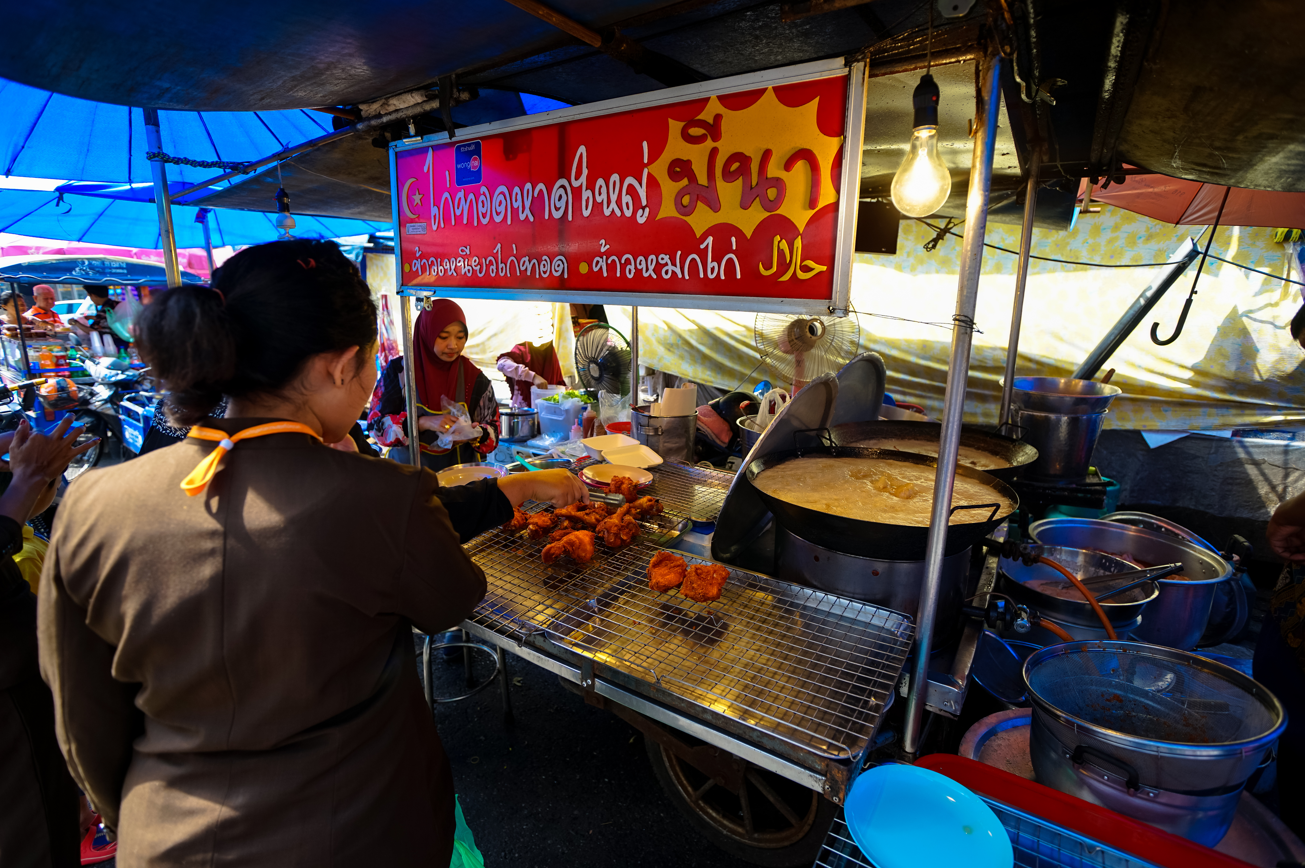
Every great dish has a story, and this one begins at a fresh chicken stall in a Hat Yai market, some three decades ago.
A couple known locally as Uncle Thongkham and Aunt Wan were struggling to sell their chicken before the day's end. Rather than let unsold stock go to waste, Uncle Thongkham began experimenting: marinating the leftover pieces in a blend of garlic, coriander, white pepper, and turmeric, then frying them to order. He shared the results with neighbours and sold a few pieces to passersby, but the recipe still wasn't quite landing.
The turning point came by accident. A neighbouring vendor, Uncle Jom, had shallots going soft that he could not sell. He passed them along to Uncle Thongkham, who fried them until crisp and scattered them over the chicken on a whim. Within weeks, people were queueing in front of the stall from three in the afternoon. The chicken sold out so fast that newspapers came to interview the couple. Uncle Thongkham and Aunt Wan eventually abandoned fresh chicken entirely, and Kai Tod Hat Yai was born.
Today, that same dish has crossed borders you will find it at restaurants in Portland, Sydney and Singapore, each one tracing its lineage back to this moment in a Hat Yai market.
What Makes It Different
To understand why Hat Yai fried chicken has a dedicated following across Thailand and beyond, you need to understand what makes it genuinely distinct from any other fried chicken you have had.
The marinade goes deep. Standard fried chicken is often seasoned at the surface, in the batter or coating. Hat Yai chicken is marinated for hours in a paste built from coriander root, white peppercorns, garlic, fish sauce, and turmeric. The result is flavour that penetrates the meat itself, not just the skin. Every bite carries the marinade's warmth, not just the outer crunch.
The batter is light, not heavy. There is no thick, doughy crust here. The coating is thin enough that it shatters rather than chews, giving you a crackling snap on the first bite before revealing the juicy, deeply seasoned meat beneath.
The shallots are non-negotiable. Those golden, crispy fried shallots scattered over the top are not garnish. They are the finishing layer that adds both texture and a subtle sweetness that cuts through the fat. Removing them would be like serving pizza without cheese.
The trio is sacred. A proper Hat Yai fried chicken order comes with three companions: sticky rice, packed tight in a small bag or bowl; the fried shallots already mentioned; and nam chim kai, the sweet chilli dipping sauce that adds brightness and heat. Eating the chicken alone is fine. Eating it with all three is the full experience.
The Flavour Profile of Southern Thailand
Part of what makes this dish so compelling is that it could only have come from Hat Yai specifically. The city sits at a cultural crossroads where Thai Buddhist, Chinese Hokkien, and Malay Muslim communities have lived alongside each other for generations. That convergence shaped the local palate in ways you do not find further north.
Southern Thai food is bolder, more aromatic and often more aggressively spiced than what most visitors associate with Thai cuisine. The use of turmeric, a flavour more commonly associated with Malay and Indian cooking in the marinade is a direct product of that proximity. So is the prevalence of halal-certified stalls: Hat Yai's fried chicken culture and its Muslim culinary heritage are deeply intertwined, and many of the most celebrated spots in the city are halal.
When you eat Kai Tod Hat Yai in Hat Yai itself, you are tasting the city's multicultural history in a single bite.
Where to Try It: Spots Near Centara Hotel Hat Yai
You do not need to travel far. From Centara Hotel Hat Yai, the city's best fried chicken is a short walk or quick ride away.
Kai Tod Decha (Bangloh), Chee Uthit Branch 93 Chee Uthit Road | Open daily 10:00–21:30 | Halal-certified
This is the name that comes up when locals are asked, without hesitation, where to go. Kai Tod Decha has four branches across Hat Yai, but the Chee Uthit location roughly a 10-minute ride from the hotel is the most famous and consistently praised. Arrive before the lunch rush or in the mid-afternoon. Pair the fried chicken with their khao mok (Thai-style turmeric rice) and a glass of Thai iced tea. The mango and anchovy salad is worth ordering as a side if you see it on the table.
Kaitod Sofeeya Northern Hat Yai | Halal-certified | Opens in the afternoon
A street stall with a devoted following, Sofeeya is often praised by locals as the underrated alternative to the more tourist-familiar spots. The chicken here tends to be slightly more affordable and according to regular visitors every bit as good. It comes with freshly cooked sticky rice and fried shallots, exactly as it should.
Kim Yong Market Central Hat Yai | Walking distance from Centara
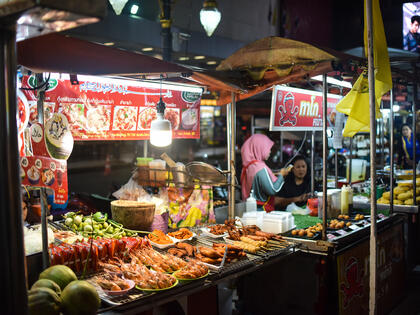
For the full street food context, the evening vendors inside and around Kim Yong Market serve Hat Yai fried chicken alongside a dozen other local dishes. The setting is noisier and less polished than a sit-down restaurant, but that is partly the point. Eating fried chicken from a market stall, standing under fluorescent lights with sticky rice in one hand and dipping sauce in the other, is how most Hat Yai residents have experienced this dish their entire lives.
ASEAN Night Bazaar & Lee Gardens Night Market Both within easy reach of the hotel | Evenings only
Multiple vendors at both markets serve Kai Tod Hat Yai through the evening. A good way to try several versions in one go. Useful if you want to form a considered opinion about whose shallots are crispier.
A Note on Timing
The mid-afternoon is when most fried chicken stalls begin service. The chicken is fried fresh and many stalls sell out before 8pm. If you are planning a specific visit to one of the recommended spots, aim to arrive between 3pm and 5pm for the freshest batch and the shortest wait.
Your Base, Right in the Middle of It
Centara Hotel Hat Yai sits in the heart of the city, directly connected to Central Festival Hat Yai and surrounded by the same streets where this dish became famous. You are not visiting Hat Yai's fried chicken culture from a distance, you are staying inside it.
The hotel’s team at Centara Hotel Hat Yai is happy to point you toward the current local favourites and arrange transport to whichever stall you have set your mind on. After all, a stay in Hat Yai without Kai Tod Hat Yai is, frankly, a story with its best chapter missing.

Share-
-
-
URL copied to your clipboard