


Beyond the beaches and boat trips, Van Don's true character lives on the water, in the floating villages, pearl farms and fishing communities that have shaped this coastline for generations. This is the Van Don that does not make it onto postcards: working, unpolished and deeply tied to the rhythm of the sea.
For travelers who want more than scenery, spending time with these communities offers a genuine window into how life on Bai Tu Long Bay has been lived for centuries and largely still is.
Van Don Pearl Farm Village: Four Decades on the Water
Long before pearl farming became a tourist attraction elsewhere in the region, Van Don was already home to it. Van Don Pearl Farm Village holds the distinction of being the first seaside pearl farming village in Northeast Vietnam, with a pearl-cultivation tradition stretching back around 40 years.
Today, farmers use floating cages suspended by ropes and buoys, blending generations of traditional knowledge with modern aquaculture methods. Visitors can walk through the farm to see the cultivation process from seeding through to harvest, many operators also run a small on-site museum nearby, displaying pearl-farming tools, oyster specimens and photographs of village life across the decades. Pearl jewellery is typically available to purchase directly from the farmers, more meaningful than a souvenir shop find, since it comes straight from the people who grew it.
Floating Villages of Bai Tu Long Bay
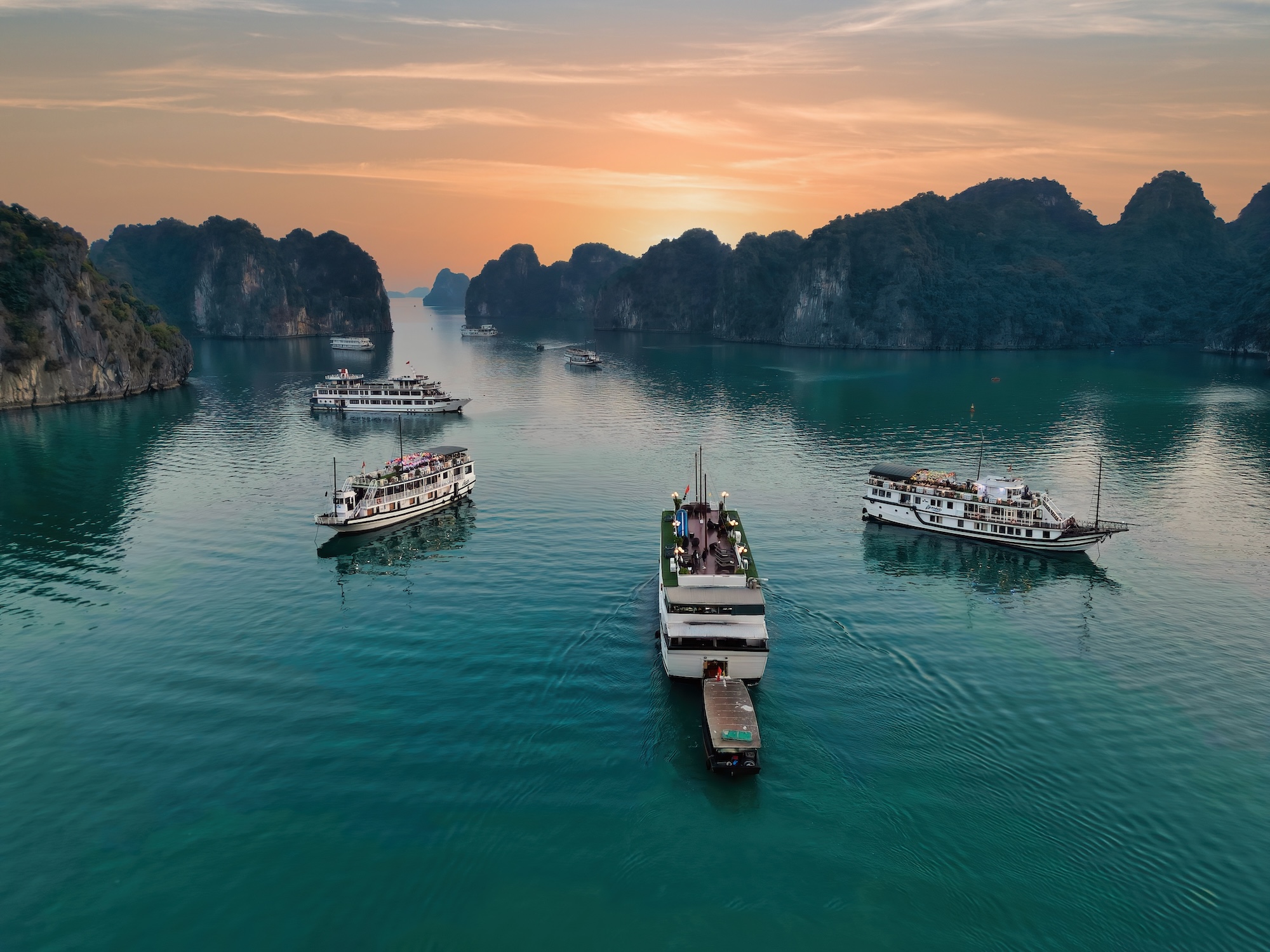
Where Ha Long Bay's floating villages have grown increasingly tourist-facing, the villages tucked into Van Don's side of Bai Tu Long Bay, among them Vung Vieng and Cong Dam, remain noticeably quieter and less staged.
Vung Vieng is a working fishing and pearl-farming community, home to a small number of families living on floating houses, some still tethered together for protection during storms. A visit here typically moves by traditional bamboo boat or kayak, past modest homes, a floating school and pearl farms that operate as genuine businesses rather than reconstructions built for visitors.
Life inside these villages runs on its own schedule. Mornings often begin with net-casting, days centre on tending pearl lines or drying the day's catch and children grow up learning to swim before they can walk, an early skill in a community where the sea is both home and livelihood.
A Taste of the Sea
Local life in Van Don is inseparable from what comes out of the water. Geoduck, sea urchin, clams, crab and squid are staples of the local diet, often caught that same morning and served within hours. Roasted clams with spring onion are a particular local specialty worth seeking out, along with the small, informal seafood stalls that spring up along the coast in the evenings.
Eating in Van Don is not about polished presentation, it is about freshness, simplicity and food that reflects exactly where you are.
A Trading History Beneath the Fishing Villages
Van Don's connection to the sea goes back further than its fishing communities suggest. The district was once one of Vietnam's earliest commercial ports, with trading roots stretching back over 1,000 years, when merchant vessels moved goods along this coastline between Vietnam and neighbouring trading nations. That deep maritime history still shapes the identity of the communities living here today, fishing and trade have simply always been the way of life on this stretch of coast.
Visiting Respectfully
These are living communities, not open-air museums, so a few things go a long way:
- Ask before photographing individuals or their homes directly
- Support the community by purchasing directly from pearl farmers or fishing families where possible
- Keep noise and disruption to a minimum, especially near floating schools and family homes
- Go with a local operator or guide who has an established relationship with the village, this tends to lead to a warmer welcome and a more genuine exchange


Share-
-
-
-
URL copied to your clipboard