

Few islands in Thailand feel as naturally cinematic as Phi Phi. With its limestone cliffs, turquoise waters, hidden bays and dramatic seascapes, the island has long captured the imagination of filmmakers, writers and travellers.
Phi Phi is not only a destination to visit. It is also a place that has appeared in stories — sometimes as a film location, sometimes as a fictional setting, and sometimes as a symbol of tropical escape, beauty and transformation.
From Hollywood cinema to novels inspired by island life, here are some of the notable books and films connected to Phi Phi Island.
The Beach
Perhaps the most famous screen appearance of Phi Phi is The Beach, the 2000 film directed by Danny Boyle and starring Leonardo DiCaprio. The movie was filmed at Maya Bay on Koh Phi Phi Leh, turning the location into one of the most recognisable beach scenes in modern cinema.
The story follows a young traveller searching for a hidden island paradise, and Phi Phi’s dramatic scenery became the visual expression of that dream. Enclosed by limestone cliffs and framed by clear water, Maya Bay appeared almost unreal on screen.
The film brought global attention to Phi Phi, but it also changed the island’s story. In the years that followed, the popularity of Maya Bay raised important conversations around overtourism, conservation and the need to protect fragile natural environments.
For today’s travellers, The Beach remains an important part of Phi Phi’s cultural identity — not only because it made the island famous, but because it reminds us that beautiful places must be experienced responsibly.
Cutthroat Island
Before The Beach made Maya Bay world-famous, the Phi Phi Islands had already appeared in another major film. Cutthroat Island, released in 1995, used Maya Bay as one of its filming locations.
The adventure film, with its pirate storyline and tropical setting, made use of the bay’s dramatic natural scenery. The cliffs, enclosed waters and sense of isolation gave the location a cinematic quality well suited to stories of exploration and discovery.
Although Cutthroat Island did not transform Phi Phi’s image in the same way as The Beach, it remains part of the island’s screen history and shows how Phi Phi’s landscapes had already attracted international productions before becoming a global travel icon.
Cross Currents
For readers, Cross Currents by John Shors offers a more intimate literary connection to Phi Phi. The novel is set on Koh Phi Phi and follows characters whose lives are shaped by love, family, survival and the impact of the 2004 Indian Ocean tsunami.
Unlike films that focus mainly on Phi Phi’s visual beauty, Cross Currents presents the island as a lived-in place with human stories, local livelihoods and emotional depth. It explores both the beauty and vulnerability of island life, reminding readers that destinations are also communities.
For travellers visiting Phi Phi, the novel offers a more reflective way to think about the island; not only as a tropical escape, but as a place with memory, resilience and personal stories.
Travel Programmes and Destination Features
Phi Phi has also been featured in many travel programmes and destination-led TV segments over the years. These programmes often focus on the island’s most recognisable experiences: longtail boat journeys, Maya Bay, snorkelling, limestone cliffs, viewpoints and island-hopping.
While individual episodes may vary by market and broadcaster, these travel features have helped keep Phi Phi in the global imagination. They present the island as one of Thailand’s most visually striking destinations and continue to shape the way many travellers first discover it.
More recent coverage has also explored the environmental side of Phi Phi’s story, particularly around Maya Bay’s conservation efforts and visitor management. This adds a more responsible travel dimension to the island’s screen presence.
Why Phi Phi Inspires Storytelling
Phi Phi’s appeal to storytellers is easy to understand. The island has a rare combination of visual drama and emotional atmosphere. Its cliffs rise directly from the sea, its bays feel hidden from the outside world, and its waters shift between shades of blue and green throughout the day.
These landscapes naturally lend themselves to stories of escape, discovery and transformation. But Phi Phi’s more recent story also speaks to responsibility and how famous places can be loved by many, yet still need protection.
This makes Phi Phi more than a beautiful backdrop. It is an island with a narrative: one shaped by cinema, literature, travel, conservation and the people who experience it.
Experiencing Phi Phi with a Storyteller’s Eye
For travellers visiting Phi Phi today, these books and films offer a different way to experience the island.
A visit to Maya Bay becomes more than a photo opportunity. It becomes a chance to understand how one film changed the global perception of a destination. A boat journey through the limestone cliffs feels connected to decades of visual storytelling. A quiet moment by the sea can feel like part of a larger island story still being written.
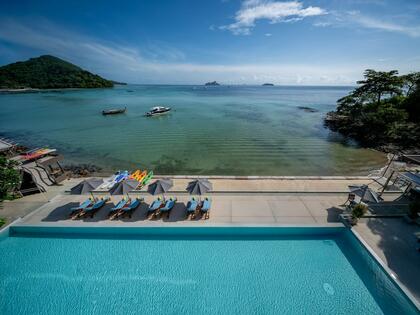
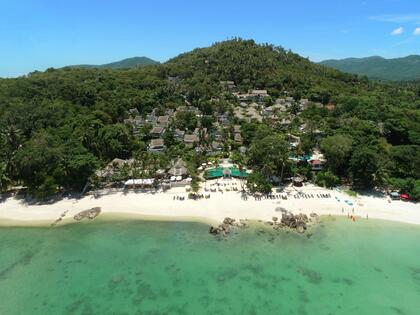
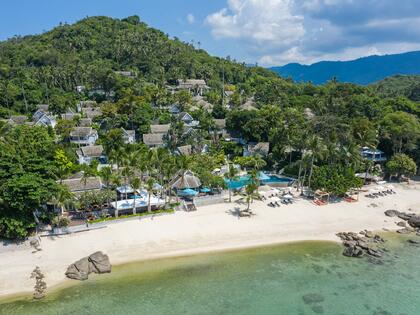
After a day of discovery, returning to Centara Villas Phi Phi Island allows guests to slow down and reflect on the island beyond its famous images. The resort offers a peaceful retreat where the drama of Phi Phi’s natural scenery can be enjoyed at a gentler pace.
Share-
-
-
URL copied to your clipboard