


Summary: Corporate incentive travel has evolved from a simple reward into a strategic business tool that boosts employee engagement, strengthens company culture, and reinforces brand values.
Corporate incentive travel is a reward programme where employees are given trips in recognition of achieving specific business targets or outstanding performance. Rather than being part of routine business travel, it is designed to motivate, reward, and inspire employees through memorable travel experiences.
These trips are typically awarded to high-performing individuals, sales teams, or partners who have exceeded goals or contributed significantly to business success. The focus is on recognition and appreciation, offering experiences that go beyond monetary rewards.
Unlike standard business travel, incentive travel emphasises leisure, enjoyment, and emotional engagement. It often includes luxury accommodation, curated activities, cultural experiences, and fine dining, creating a meaningful break from the workplace while celebrating achievement.
Beyond motivation, corporate incentive travel also strengthens employee loyalty, encourages team bonding, and fosters a positive workplace culture. When employees feel recognised and valued, they are more likely to remain engaged and committed to long-term organisational goals.
In essence, corporate incentive travel is not just a reward for performance; it is a strategic tool that combines recognition with experience, helping organisations inspire teams and reinforce success.
Table of Contents
- How Is Incentive Travel Evolving from a Reward to a Business Strategy?
- How Can Incentive Travel Strengthen Brand Identity and Company Culture?
- Why Does Destination Matter in Corporate Incentive Travel?
- Where Strategy Meets Experience?
- Restore Your Mind and Body at SPA Cenvaree
- Sustainable Dining Experiences
- Shopping, Lifestyle, and Cultural Experiences
- Conclusion
- FAQs
How Is Incentive Travel Evolving from a Reward to a Business Strategy?
In the past, corporate incentive travel was often viewed as a "nice-to-have" reward. While recognition remained important, the approach was largely transactional: achieve targets, earn a trip.
Today, however, leading organisations are rethinking incentive travel as a strategic business tool rather than simply a reward mechanism. Instead of focusing purely on leisure, companies are designing incentive travel programmes that align with broader business objectives. This may include creating experiences that encourage collaboration across teams, incorporating company values into activities, or developing opportunities that strengthen organisational culture and employee engagement.
As a result, business incentive travel has evolved beyond celebration, becoming a more purposeful and impactful experience. Well-planned programmes can motivate employees, foster stronger professional relationships, and support long-term organisational goals. This shift has positioned strategic incentive travel as an increasingly valuable investment for organisations seeking to recognise performance while creating lasting business value.
How Can Incentive Travel Strengthen Brand Identity and Company Culture?
Corporate incentive travel today goes beyond individual rewards; it acts as a shared experience that strengthens organisational culture and internal alignment. By bringing employees together outside the workplace, companies can break down hierarchy and encourage more open, meaningful interaction. Well-planned employee incentive travel experiences create opportunities for teams to connect, collaborate, and engage in ways that are often difficult to achieve in a traditional workplace setting.
A well-designed incentive travel programme can:
- Reinforce organisational goals by linking success to purpose-driven experiences.
- Strengthen relationships across teams, leadership, and external partners.
- Encourage open communication by reducing workplace boundaries.
- Create emotional connections that increase loyalty, engagement, and retention.
Ultimately, incentive travel becomes a live expression of a company's brand and values, not just a reward programme. By aligning experiences with organisational objectives, strategic incentive travel and business incentive travel can help organisations strengthen company culture, foster deeper employee connections, and create a lasting sense of purpose and belonging.
Why Does Destination Matter in Corporate Incentive Travel?
The success of a corporate incentive travel programme is not only about the experience itself, but also where it takes place. The chosen destination plays a crucial role in shaping both convenience and overall impact. A carefully selected incentive travel destination can influence attendee satisfaction, programme effectiveness, and the overall success of the experience.
An ideal incentive travel destination should offer:
- Accessibility: Easy international and local connectivity to minimise travel friction.
- Integrated Convenience: Accommodation, meeting spaces, dining, and leisure facilities in one place.
- Diverse Experiences: Opportunities for both structured activities and free exploration.
- Memorable Setting: A destination that feels distinct from everyday work environments.
When these elements come together, the destination enhances both the efficiency of planning and the quality of the experience, allowing companies to deliver incentive travel programmes that feel seamless, engaging, and truly rewarding. Whether designed as an employee incentive travel initiative or a more strategic business incentive travel experience, the right destination helps transform recognition into lasting impact.
As organisations increasingly invest in strategic incentive travel, selecting a destination that balances convenience, experiences, and operational efficiency has become an important factor in achieving both employee and business objectives.
Where Strategy Meets Experience?
As corporate incentive travel continues to evolve, organisations are increasingly seeking destinations that support both business objectives and meaningful employee experiences.
Thailand has emerged as one of Asia's leading destinations for strategic incentive travel due to its strong hospitality sector, international connectivity, and wide range of experiences that cater to different business objectives.
Within Thailand, integrated destinations have become increasingly attractive because they simplify planning while delivering a richer experience for participants.
By combining accommodation, event facilities, dining, entertainment, and lifestyle experiences within a single location, these destinations help organisations maximise both convenience and engagement.
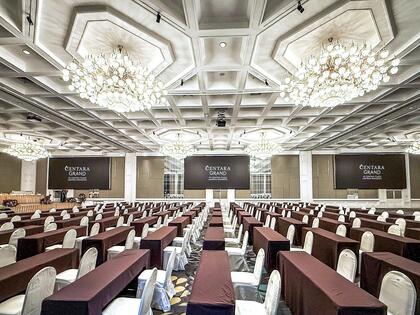
One example is Centara Grand at CentralWorld & Bangkok Convention Centre, where meetings, accommodation, dining, wellness, shopping, and entertainment are seamlessly connected within one integrated hub in the heart of Bangkok. Incentive travel becomes an experience that inspires performance, strengthens culture, and creates lasting value for both organisations and their people through wellness, lifestyle, shopping, and cultural experiences.
Restore Your Mind and Body at SPA Cenvaree

Maintaining a healthy mind is just as important as nurturing physical wellbeing, particularly for business travellers, event delegates, and those seeking a moment of tranquillity amidst Bangkok's vibrant city life. Whether you are unwinding after a busy day of meetings or simply indulging in a restorative wellness experience, SPA Cenvaree at Centara Grand at CentralWorld offers a luxurious urban sanctuary dedicated to relaxation, rejuvenation, and holistic wellbeing.
Located on the 26th floor of the hotel, this 1,000-square-metre wellness retreat combines traditional healing philosophies with contemporary spa experiences. Guests may choose from more than 60 treatments, including authentic Thai massage, Ayurvedic therapies, couples' spa rituals, and the signature Moroccan Hammam experience.
Sustainable Dining Experiences

Modern travellers increasingly value sustainability and authentic experiences, and dining has become an important part of the overall incentive journey.
Centara Grand at CentralWorld's Farm-to-Fork initiative highlights this commitment through its rooftop organic garden, where fresh herbs and vegetables are cultivated using sustainable practices. Ingredients harvested from the garden are incorporated into menus across the hotel's dining venues, providing guests with fresh, locally inspired culinary experiences.
From international dining to authentic Thai cuisine, participants can enjoy a variety of options suitable for networking events, celebratory dinners, and casual social gatherings, all within the same destination.
Guests can sample ingredients from the rooftop garden at venues such as Ventisi, where freshly harvested herbs and salad greens complement a selection of Italian and Thai dishes.
Also, UNO MAS incorporates organic produce into its Spanish and Mediterranean-inspired cuisine. By connecting sustainable sourcing with high-quality dining, Centara Grand at CentralWorld enhances the overall incentive travel experience while reflecting the growing importance of responsible hospitality.
Shopping, Lifestyle, and Cultural Experiences
One reason Bangkok remains a leading incentive travel destination is its ability to offer experiences beyond traditional business activities.
Directly connected to CentralWorld, guests have easy access to one of Thailand's largest retail and lifestyle destinations, featuring international brands, restaurants, entertainment venues, and cultural events. Additional luxury shopping opportunities can be found at Central Chidlom and Central Embassy.
For organisations seeking authentic cultural experiences, Bangkok also provides access to iconic attractions such as the Erawan Shrine and Jim Thompson House. These experiences allow participants to explore Thailand's rich heritage whilst creating memorable moments outside the formal programme.
By combining business, leisure, culture, and lifestyle experiences, incentive travel programmes become more engaging and better aligned with the expectations of modern travellers.
If you are planning a corporate incentive trip or would like to explore how Centara Grand at CentralWorld can support your next rewarding experience, our dedicated team would be delighted to assist. Contact us to discuss your requirements, discover our tailored event solutions, and start planning an incentive programme that inspires and rewards your team.
Conclusion
Incentive travel has evolved beyond being a simple reward for high-performing employees. Today, it is increasingly recognised as a strategic business tool that supports employee engagement, strengthens organisational culture, and reinforces brand values.
Unlike traditional incentives, well-designed incentive travel programmes create memorable shared experiences that foster stronger emotional connections between employees and the organisation. These experiences can improve team morale, encourage collaboration, and provide meaningful recognition that extends beyond financial rewards.
When incentive travel is aligned with broader business objectives, companies can achieve benefits that go beyond the trip itself, including:
- Higher employee engagement by recognising achievements in meaningful and memorable ways.
- Stronger talent retention through experiences that increase employees' sense of appreciation and belonging.
- Deeper brand loyalty by creating opportunities for participants to connect with the company's values, culture, and long-term vision.
As organisations continue to compete for talent and prioritise employee experience, incentive travel is becoming an important investment in people. It is not simply a celebration of performance, but a strategy for building long-term engagement and organisational success.
FAQs
What is corporate incentive travel?
It is a reward programme where employees earn trips based on performance targets to motivate and recognise achievement.
How does incentive travel support company culture?
It brings employees together in shared experiences that improve communication, teamwork, and loyalty.
Why is destination important in incentive travel?
Because it affects accessibility, experience quality, convenience, and overall programme success.


Share-
-
-
URL copied to your clipboard