



Why Understanding Venue Limitations is Key to Successful Business Events?
Choosing the right business event venue is one of the most important decisions in corporate event planning. Whether you are organising a conference, seminar, product launch, networking reception or company celebration, the venue influences far more than the event's appearance. It affects logistics, delegate experience, operational efficiency and, ultimately, the overall success of the event.
While hosting business events in Bangkok offers access to world-class venues and professional event services, every venue has its own operational capabilities and practical limitations. Understanding these considerations before confirming a venue helps organisers plan more effectively, minimise unexpected challenges and ensure the event runs smoothly from start to finish.
Venue limitations should not be viewed as obstacles, but as important planning factors that help determine whether a space is suitable for your event objectives. By discussing capacity, technical requirements, room layouts and operational guidelines at an early stage, organisers can make informed decisions, reduce risk and create a seamless experience for both delegates and event teams.
This guide explores the common limitations of business event venues, explains why they matter during the planning process, and highlights how choosing the right venue can contribute to more successful corporate events.
Table of Contents
- What Should You Consider When Choosing a Business Event Venue?
- What Are the Limitations of the Venue?
- How Experienced Planners Choose the Right Venue?
- What Makes an Integrated Venue the Right Choice for Events?
- Conclusion
- FAQs
What Should You Consider When Choosing a Business Event Venue?
While events offer strong business value through networking, engagement and brand exposure, they also come with operational complexities.
A key concern for organisers is whether the chosen venue can fully support their event requirements. This goes beyond selecting a space based on size or appearance; it requires a deeper understanding of how the venue functions in real execution.
Selecting a business event venue involves much more than comparing room sizes or venue aesthetics. Organisers should evaluate whether the venue can support the operational requirements of the event, including delegate flow, technical production, catering, accessibility and event logistics. Understanding these factors at the planning stage helps minimise risks and contributes to a more successful event.
What Are the Limitations of the Venue?
Every business event venue operates within certain practical limitations designed to ensure safety, operational efficiency and a positive delegate experience. Understanding these requirements in advance allows organisers to make informed decisions and adapt their event plans where necessary.
Common venue considerations include:
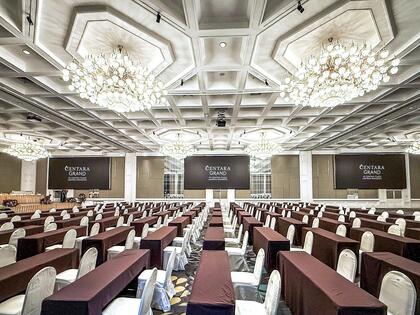
- Capacity Limits – Maximum attendance varies according to room layout, whether theatre, classroom, banquet or cocktail style.
- Venue Configuration – Some event spaces may not accommodate large exhibition structures, heavy staging or suspended installations.
- Event Timings – Set-up, event hours and dismantling schedules are typically agreed in advance, with additional charges applying for extended access.
- Technical Capabilities – Specialist audiovisual production, power supply or internet requirements may require advance planning or additional equipment.
- Venue Regulations – Decoration, rigging and branding installations may be subject to venue safety policies and operational guidelines.
Discussing these requirements with the venue team at an early stage helps ensure the selected space aligns with your event objectives.
How Experienced Planners Choose the Right Venue?
In practice, clients tend to choose venues based on the scale and purpose of their event.
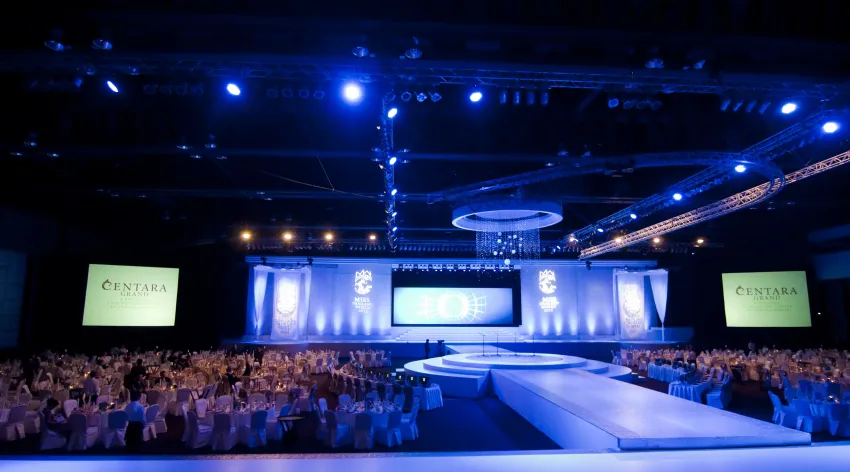
For large-scale events such as conferences, exhibitions or gala dinners, venues like convention centres or grand ballrooms are often preferred. These spaces offer high capacity and flexibility, allowing organisers to adapt layouts for multiple uses within the same event.
For mid-sized corporate functions, more controlled and divisible spaces are typically selected. These venues provide a balance between professional facilities and a more private atmosphere, making them suitable for seminars, workshops and internal meetings.
For smaller executive sessions, clients prioritise privacy, efficiency and ease of setup, often choosing compact meeting suites or boardrooms that support focused discussions.
What Makes an Integrated Venue the Right Choice for Events?
The key to overcoming venue limitations is not avoiding them but choosing a venue that is designed to manage them seamlessly.
With a combination of large-scale convention halls, flexible ballroom spaces and private meeting suites in one location, planners can match the right space to their exact needs without compromising.
More importantly, these venues are built to support complex event requirements. From advanced audio-visual capabilities to adaptable layouts and professional on-site teams, they help minimise risk and maximise efficiency.
If you are planning a business event in Bangkok and would like guidance on selecting the most suitable venue, our experienced MICE specialists are here to help. Contact the team at Centara Grand at CentralWorld & Bangkok Convention Centre or submit a Request for Proposal to discuss your event requirements and discover how our integrated event facilities can support your next successful corporate event.
Conclusion
Hosting events is indeed a smart move for business owners, but only when executed with the right planning and venue strategy. By understanding venue limitations and aligning them with event objectives, businesses can avoid common pitfalls and create more impactful experiences.
Ultimately, the right venue is not just a space; it is a partner in delivering a successful event.
FAQs
Why do setup and timing restrictions matter?
Setup and timing restrictions help ensure smooth operations, maintain venue safety standards and allow proper coordination between event setup, live event activities and teardown processes.
Why is it important to understand venue limitations?
Understanding venue limitations helps organisers avoid operational issues, manage expectations and ensure the venue can fully support all event requirements.
What venue limitations should be reviewed before booking?
Organisers should review venue capacity, layout flexibility, technical capabilities, access times, setup restrictions, logistics support and venue regulations before making a final decision.
How do venue limitations affect event success?
Venue limitations can impact attendee experience, production quality, event flow and operational efficiency. Early planning helps minimise potential disruptions.
Why are technical capabilities important when choosing a venue?
Technical infrastructure such as audiovisual systems, internet connectivity and power supply directly affect presentations, hybrid events and overall event performance.
What are the advantages of choosing an integrated event venue?
Integrated venues provide multiple event spaces, accommodation options, catering services and event support teams in one location, helping streamline event management.
#top

Share-
-
-
URL copied to your clipboard