


Most travellers pass through Korat on their way somewhere else. Few realise they are driving across one of Thailand's great natural archives. Beneath the rice fields and rolling ridges lies a story more than 100 million years in the making, told through dinosaur bones, forests turned to stone and the fossils of ancient elephants.
In May 2023, that story earned global recognition. Khorat Geopark was named a UNESCO Global Geopark, only the second in Thailand after Satun. It was a quiet milestone for a province better known as the gateway to Isan, and an invitation to look a little closer.
A landscape written in stone
A geopark is not a single park with a gate. It is a living landscape where geology, history and local communities meet. Khorat Geopark stretches across more than 3,000 square kilometres and five districts of Nakhon Ratchasima province, linking fossil beds, ancient temples and prehistoric rock art into one remarkable story.
The key to it all is the land itself. Look at the hills around Korat and you will notice many have a gentle slope on one side and a sharp drop on the other. These are cuestas, tilted layers of rock slowly worn down by wind and water over millions of years. Korat's cuesta system is considered one of the longest in the world, and it is the reason so many fossils lie so close to the surface here.
Dinosaurs, elephants and forests of stone
Korat's fossil record is rich and surprisingly varied. Several dinosaur species were first discovered in the province and named after it, from the fierce Siamraptor to the plant-eating Ratchasimasaurus and Sirindhorna. Long after the dinosaurs, the region was home to ancient elephants, and fossils from several extinct genera have been unearthed here.
Then there are the trees. Over millions of years, fallen trunks were buried and slowly replaced by minerals, turning wood into stone while keeping every ring, grain and knot intact. Some of the petrified logs found in Korat are enormous, and running a hand along their cool, glassy surface is a strange and humbling experience.
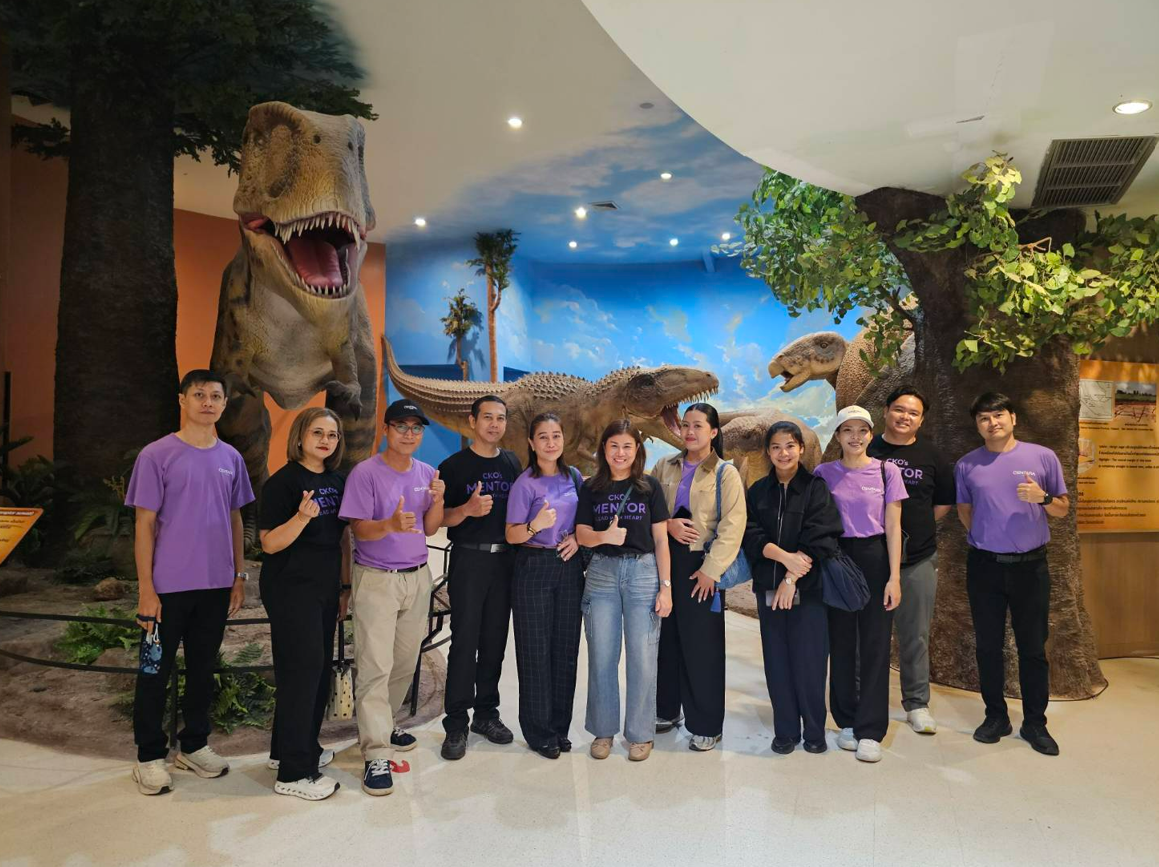
The best place to see all three stories together is the Khorat Fossil Museum, about 15 kilometres from the city centre. Its three connected halls move from giant stone logs, including a polished centrepiece that reveals the original grain in stunning detail, to the fossils of ancient elephants, giant turtles as well as crocodiles and finally to a hall of life-sized dinosaur replicas that children find impossible to resist. It is worth arriving in the morning, before the midday heat settles over the outdoor garden and allowing an hour or two to take it all in.
Where history meets deep time
The geopark is not only about the distant past. People have lived on this land for thousands of years, and their story is layered on top of the geology.
In Mueang district, the sandstone temple of Prasat Hin Phanomwan offers a peaceful taste of Khmer heritage, far quieter than its famous neighbour at Phimai. Further west in Sung Noen, the ancient city of Sema is home to a great reclining Buddha that has rested there for more than a thousand years. And in Sikhio, the cliffs of Wat Khao Chan Ngam still carry prehistoric paintings of people and animals, thought to be 3,000 to 4,000 years old. Standing before them, it is easy to feel the long thread that connects Korat's ancient forests to the people who came after.
Exploring at your own pace
The geopark's sites are spread across the province, so a car or private driver makes the journey far easier. The cool season, from November to February, brings clearer skies and gentler temperatures, perfect for days spent between museums, temples and hillsides. Two days is enough to see the highlights without rushing, and a local guide can bring the rock art and geology vividly to life.
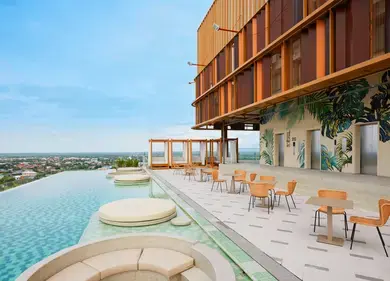
Staying in the city makes it simple to explore in comfortable day trips. Centara Hotel and Convention Centre Korat sits in the heart of Nakhon Ratchasima, a short drive from the fossil museum and well placed for journeys further afield. After a day among stone forests and dinosaur bones, there is something satisfying about returning to the city's evening buzz, with its restaurants and night markets close at hand.
Korat may be a place many people pass through. However for those who stop, it offers something rare; the chance to walk through 100 million years of history in a single weekend.

Share-
-
-
URL copied to your clipboard