

As the desert sun sinks behind Doha’s glittering skyline, something shifts in the heart of the old city. The heat of the day softens. Lanterns flicker on along narrow, mud-rendered lanes. The scent of cardamom, saffron and grilled meat drifts through the air. Shutters roll up, café tables spill into the alleys and the gentle bubble of shisha pipes mixes with conversation in a dozen languages.
This is Souq Waqif after dark. It is the moment Doha’s most famous market truly comes alive.
The standing market
Souq Waqif’s name means “the standing market.” For more than a century, it has been a meeting place where Bedouin traders and townspeople gathered to buy and sell. Livestock, wool, spices and everyday goods changed hands here, long before oil transformed Qatar. Boats once sailed right up to the market from Doha Bay, until land reclamation pushed the coastline further north.
By the 1990s, the souq had fallen into decline, and in 2003 much of it was lost to fire. Rather than replace it with something modern, Qatar chose to restore it. Between 2006 and 2008, newer buildings were cleared away and the old structures were carefully rebuilt using traditional materials and techniques. Today, with its earth-toned walls, exposed wooden beams and shaded walkways, Souq Waqif feels like a step back into old Doha, even as the towers of West Bay glow on the horizon.
A feast for the senses
The best way to explore the souq is to let yourself wander. Its lanes twist and branch in every direction, each one offering something new.
Follow your nose to the spice stalls, where sacks overflow with turmeric, dried limes, cinnamon bark and bright red chilli. Traders scoop out saffron and frankincense and are happy to explain what each is used for. Nearby, perfume shops blend oud and attar, the rich, woody oils beloved across the Gulf. Many will mix a fragrance just for you.
Elsewhere, you will find handwoven textiles and carpets, brass lanterns, traditional clothing, gold jewellery and dates of every variety. Haggling is part of the experience in many shops, so take your time, smile and enjoy the conversation.
The world of falcons
On the western edge of the souq lies one of its most fascinating corners: the Falcon Souq.
Falconry is a treasured tradition in Qatar, deeply tied to Bedouin heritage and still practised with great pride today. Inside the Falcon Souq, hooded falcons perch calmly on wooden stands as buyers and specialists examine them with an expert eye. It is a working market, not a show, so be respectful. Ask before photographing people up close and simply take in the quiet intensity of the trade.
Nearby, a dedicated falcon hospital cares for these prized birds, a sign of just how much they mean to their owners. As you wander the surrounding lanes, you may also spot Arabian horses being led through the souq, a striking sight against the lantern-lit walls.
Dinner in the lanes
As night falls, the souq’s restaurants and cafés fill with diners. The choice is wide, from Qatari and Middle Eastern cuisine to Persian, Moroccan, Lebanese and Indian.
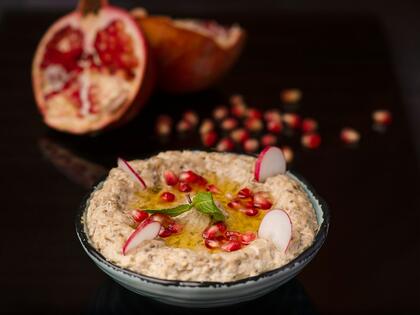
Try machboos, Qatar’s beloved spiced rice dish with lamb, chicken or fish, or share a spread of mezze, grilled meats and freshly baked bread. For something sweet, look for luqaimat, little golden dumplings drizzled with date syrup. Finish with a cup of karak, the strong, spiced milk tea that fuels Doha, or a pot of Arabic coffee scented with cardamom.
For the best atmosphere, find a table on a rooftop or upper terrace overlooking the main plaza. From above, the lanterns, crowds and old walls create a scene that feels timeless.
Tips for your evening
Many shops close in the early afternoon and reopen around 4pm, so aim to arrive in the late afternoon. That way you can catch the golden-hour light and see the souq transition into evening. Weekday evenings are calmer, while Thursday and Friday nights are lively and busy.
Dress modestly, with shoulders and knees covered. Bring some cash for smaller stalls and check your restaurant bill for any service charge before tipping. Parking can be tight in the evenings, so the Doha Metro is an easy option. The Gold Line stops at Souq Waqif station, just a short walk from the market.
Where to stay
Souq Waqif is just a short drive along the Corniche from West Bay. That makes it easy to combine with a stay in the city’s business and waterfront district.
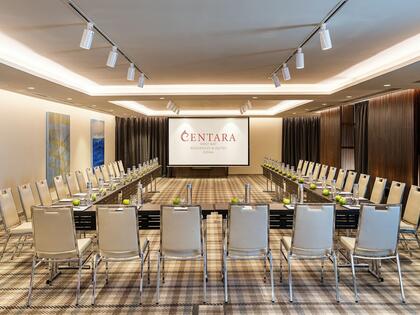
Centara West Bay Hotel & Residences Doha sits steps from the palm-lined Corniche, an ideal base for exploring the old and new sides of the city. Spend the morning at the hotel’s indoor pool or on a stroll along the waterfront. Head to the souq as the sun goes down, then return for a nightcap at Caprice. For longer stays, the hotel’s spacious residences, with separate living and dining areas, make it easy to settle in and explore Doha at your own pace.
Where Doha’s heart still beats
Doha is a city of bold architecture, world-class museums and gleaming towers. But it is in the lanes of Souq Waqif, after dark, that you feel its soul. Here, the old rhythms of trade, hospitality and conversation carry on much as they always have. Come hungry, wander without a plan and let the scents, sounds and lantern light guide you.
Share-
-
-
URL copied to your clipboard