

To understand Qatar, start at the table. For centuries, life on this small peninsula was shaped by the desert and the sea. Bedouin families moved with their herds across the sands. Pearl divers and fishermen worked the warm waters of the Gulf. Traders arrived from India, Persia and East Africa, bringing spices and new ideas. All of it found its way into the kitchen.
Today, Doha’s food scene is as global as its skyline. But beneath the fine dining and international brands lies a cuisine rich in history, generosity and flavour. Here is where to begin.
Machboos: the national dish
If there is one dish every visitor should try, it is machboos. Fragrant rice is slow-cooked with chicken, lamb or fish in a blend of spices that might include cardamom, cinnamon, cloves, saffron and loomi, the dried black limes that give Gulf cooking its distinctive tang. The result is warming, aromatic, and deeply satisfying.
Machboos is a dish of family gatherings and weekend lunches. It is usually served on a large, shared platter, topped with fried onions and nuts and accompanied by a spicy tomato sauce. Sharing it, as is tradition, is part of the pleasure.
Comfort from the past
Many of Qatar’s traditional dishes were born from simple ingredients and necessity, then perfected over generations.
Harees is one of the oldest. Wheat and meat are cooked slowly for hours, then beaten until smooth and creamy, and finished with a drizzle of ghee. It’s especially popular during Ramadan and Eid, when families prepare it in large pots to share.
Thareed is another classic. It’s a hearty stew of meat and vegetables, ladled over layers of thin regag bread that soak up the rich, spiced broth. Madrouba, a porridge-like dish of rice, meat and spices cooked until soft, is pure comfort food.
Treasures from the sea
Doha has always looked at the water, and fish remains central to the local diet. Hammour, a type of grouper, is the most prized catch. It’s grilled, fried or cooked into machboos. Safi, a smaller rabbitfish, is often fried until crisp and served with rice.
For the freshest seafood, look for restaurants near the waterfront, where the catch is often displayed on ice for diners to choose from.
A sweet start to the day
Qatari breakfasts are a delightful surprise. Balaleet pairs sweet vermicelli, scented with saffron, cardamom and rosewater, with a thin savoury omelette on top. The combination of sweet and salty is unexpectedly addictive.
Chebab, soft Qatari pancakes flavoured with cardamom and saffron, are often served with date syrup or cheese. Paired with fresh regag bread, they make for a slow, indulgent morning.
Something sweet
Don’t leave Doha without trying luqaimat. These small golden dumplings are crisp on the outside, light and fluffy inside, and drizzled with date syrup or honey. They’re sold at markets, festivals and cafés across the city, and they’re almost impossible to stop eating.
Dates, of course, are everywhere. Offered as a gesture of welcome and enjoyed throughout the day, they come in dozens of varieties, from soft and caramel-sweet to firm and nutty.
Karak and gahwa: the drinks that fuel Doha
If machboos is Doha’s national dish, karak is its national habit. This strong, milky tea is brewed with black tea, evaporated milk, sugar and spices such as cardamom and saffron. It reflects the city’s long ties with South Asia. Karak stalls are found on almost every corner, and locals often order it through the window of their car. A small cup costs very little and tastes like a warm hug.
Gahwa, Arabic coffee, is a different experience entirely. Lightly roasted and spiced with cardamom, sometimes with saffron, it’s pale golden in colour and poured from an elegant dallah into tiny cups. Offering gahwa is a cornerstone of Qatari hospitality. Accept it with your right hand, and gently shake the cup when you’ve had enough.
A city of many kitchens
Doha’s food scene goes far beyond traditional Qatari cooking. With a population drawn from around the world, the city is a melting pot of flavours. Levantine favourites such as shawarma, manakish and mezze are everywhere. Persian kebabs, Yemeni mandi and Turkish grills are easy to find.
Doha is also one of the best places in the Gulf to eat Indian food. Generations of South Asian residents have shaped the city’s culinary landscape, from humble biryani joints to refined modern Indian restaurants reinventing classic dishes.
Where to eat
For traditional Qatari food, Souq Waqif is the obvious place to start. Its lantern-lit lanes are lined with restaurants serving machboos, grilled meats and luqaimat, and the atmosphere in the evening is unforgettable. Katara Cultural Village and Msheireb Downtown also offer excellent dining, from casual cafés to elegant restaurants.
As for a cup of karak, simply follow the locals, the best ones are often found at unassuming roadside stalls.
Where to stay
Staying in West Bay puts Doha’s dining scene within easy reach. Centara West Bay Hotel & Residences Doha sits steps from the Corniche, a short drive from Souq Waqif, Katara and Msheireb.
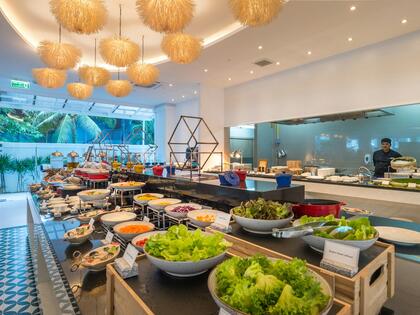
The hotel’s own restaurants offer a taste of the city’s global spirit. Dalchini serves progressive Indian cuisine, a nod to one of Doha’s most loved culinary influences. Caprice brings together Thai and European flavours. For a slower afternoon, the Lobby Lounge is the perfect spot for coffee and pastries before heading out for an evening of eating your way through the city.
A taste of Qatari hospitality
In Qatar, food is about more than flavour. It is about welcome. Whether it is a platter of machboos shared among friends, a cup of gahwa offered to a guest or a roadside karak at the end of a long day, every meal carries a sense of generosity. Come hungry, try something new and you will discover that the best way to know Doha is one bite at a time.


Share-
-
-
URL copied to your clipboard