

Once a year, the quiet streets of Ubon Ratchathani are transformed. Towering sculptures of golden wax glide through the city on floats. Mythical creatures rise several metres high. Dancers in traditional dress move to the beat of drums and the sound of the khaen. Crowds line the pavements, phones held high, as the procession rolls by in a blaze of colour and craftsmanship.
This is the Ubon Candle Festival, one of Thailand's most extraordinary celebrations and one of the best reasons to travel to the country's far east.
A tradition born from light
The festival has its roots in a simple act of devotion. Each year, during the rainy season, Buddhist monks begin a three-month retreat known as vassa or Buddhist Lent. During this period, monks traditionally remain at their monasteries, focusing on religious study, meditation and spiritual practice. In the past, local people would offer candles to help light the monks' quarters throughout the three-month retreat.
In Ubon, that humble offering grew into something far grander. Over generations, the candles became larger and more elaborate. Communities began to compete, and candle-making evolved into a true art form. Today, these giant candles often represent temples, districts or local institutions. The finest are vast sculptures depicting scenes from Buddhist and Hindu mythology, coated in wax and finished in exquisite detail.
These elaborate wax sculptures are created primarily for ceremonial display and artistic appreciation, rather than for everyday illumination.
When it happens
The festival centres on two important Buddhist holidays: Asanha Bucha, which marks the Buddha's first sermon, and Khao Phansa, the start of Buddhist Lent the following day. Both follow the lunar calendar, so dates move each year, but the festival usually falls in July.
During the festival, magnificent wax sculptures are displayed around Thung Si Muang, the central park in Ubon Ratchathani, allowing visitors to admire their intricate craftsmanship up close. As evening falls, the illuminated displays create a magical atmosphere.
One of the festival's main highlights is the grand candle procession through the city centre, featuring elaborately decorated floats, traditional music and cultural performances. The exact dates and programme vary each year, so visitors are encouraged to check the official festival schedule before travelling.
The art of the wax
What makes the Ubon Candle Festival so special is the artistry behind it. Many sculptures take weeks of work. Teams of craftsmen, temple volunteers and students build large frames, shape the forms, then layer on wax and carve every feather, scale and fold of fabric by hand.
Some pieces are carved in deep relief, with figures that seem to leap out of the wax. Others are decorated with thousands of small, delicately pressed wax patterns, building up shimmering surfaces of intricate design. Up close, the level of detail is astonishing.
If you can, visit a few temples in the days before the parade. This is when the sculptures are being finished, and you can often watch the artisans at work. It's a rare chance to see the craft behind the spectacle, and to meet the people who pour their hearts into it.
Making the most of the festival
The parade attracts large crowds, so checking the official procession route and arriving early are highly recommended. Bring plenty of water and be prepared for both sunshine and rain, as the festival takes place during Thailand's rainy season. A hat and a light rain jacket will see you through most of the day.
Thung Si Muang is one of the best places to admire the magnificent wax sculptures, particularly during the evening displays, when the illuminated artworks create beautiful photo opportunities. Depending on the festival programme, some sculptures may remain on display around the city and at participating temples after the procession, offering visitors more opportunities to appreciate their intricate craftsmanship.
It is also worth remembering that this is a religious occasion. Dress modestly when visiting temples, move respectfully around those making offerings and take a moment to simply watch. The festival is as much about faith and community as it is about art.
Where to stay
Festival time is the busiest period of the year in Ubon and rooms fill quickly, so it pays to plan well ahead. Staying close to the centre makes it easy to come and go between the parade, the park and the temples.
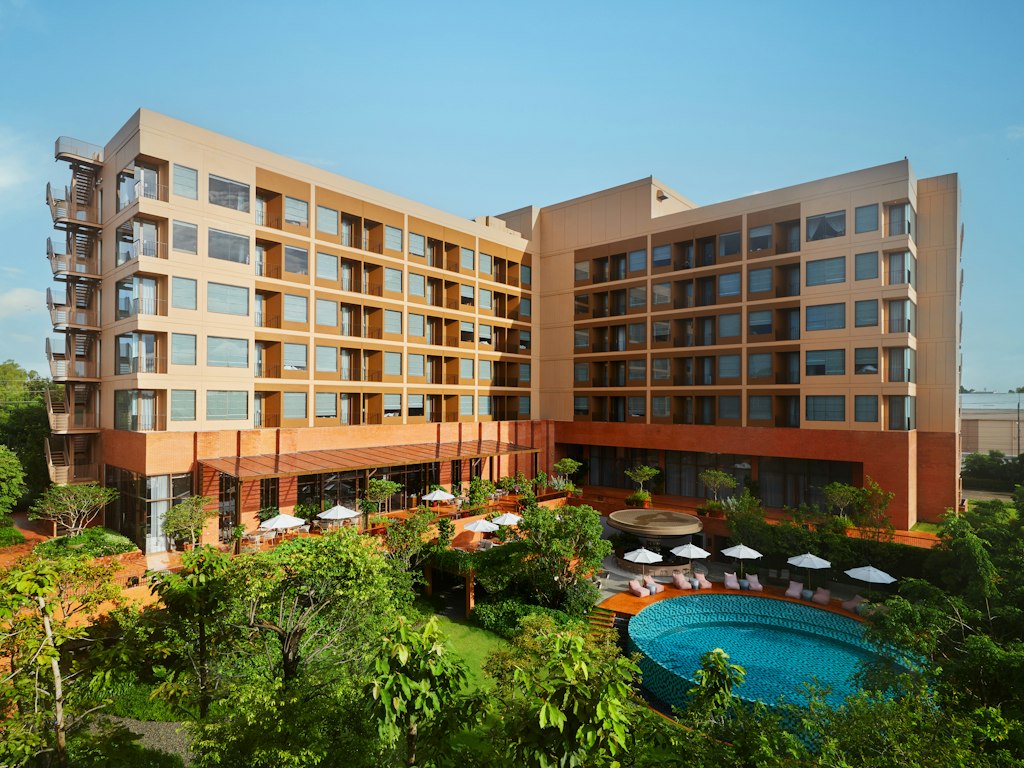
Centara Ubon, conveniently located next to Central Ubon shopping mall, makes a comfortable base for festival days. Mornings can start with a strong coffee before heading out to claim a spot along the route. When the heat or the crowds become too much, a cool swim and a refreshing drink by the pool offer the perfect pause before heading back out to explore the festival's magnificent wax sculptures.
A festival that lights up the east
There are many festivals in Thailand. Few feel as personal as this one. Behind every towering sculpture are weeks of quiet work, shared skills passed down through families, and a community's pride in its traditions. Stand along the route as the first float rounds the corner, and you will understand why so many travellers make the long journey east. In Ubon, faith is made visible, carved in wax and carried through the streets for all to see.

Share-
-
-
URL copied to your clipboard