

Ubon Ratchathani sits in eastern Thailand, where the Mekong flows along the border with Laos and some of the country's earliest sunrises can be enjoyed. It is a place shaped by its seasons. The river rises and falls, revealing and hiding whole landscapes. The fields turn from gold to green and back again. Plus once a year, the city fills with towering sculptures carved from wax.
There is no single best time to visit Ubon. There are simply different Ubons, each worth discovering. Here is how to choose yours.
Cool season: November to February
For many travellers, this is Ubon at its most inviting. The rains have passed, the skies are clear and the mornings carry a crispness that feels almost unexpected in Thailand. It is the season for early starts and long days outdoors.
Nowhere rewards an early alarm quite like Pha Taem National Park. With its dramatic sandstone cliffs overlooking the Mekong, Pha Taem National Park offers spectacular sunrise views, while nearby Pha Chanadai is especially renowned as one of Thailand's earliest sunrise viewpoints. Arrive in the half-dark, find a spot along the cliff edge and watch the light spill across the river and the hills of Laos beyond. Later, follow the trail down the cliff face to see the park's ancient rock paintings. Fish, elephants and human figures are painted in red ochre, left by people who lived here some 3,000 years ago.
The early months of the cool season also bring one of the park's quieter pleasures. After the rains, the rocky plateau blooms with tiny wildflowers, scattering colour across the stone. It is a fleeting show and a lovely one.
This is also the most comfortable time to explore the city itself. Temple visits, market strolls and long lunches all feel easier when the air is cool. Starting the day with a good coffee before heading out is part of the rhythm. At Centara Ubon, Godfather Coffee makes those early departures that little bit easier.
Dry season: December to May
As the cool season fades into the hot months, the Mekong's water levels gradually drop. And as the water recedes, something remarkable appears.
Sam Phan Bok, often called Thailand's Grand Canyon, emerges from the riverbed in Pho Sai district. Its name means "three thousand holes," and it lives up to it. Over thousands of years, the swirling currents of the Mekong have carved the sandstone into a surreal landscape of potholes, channels and sculpted ridges. When the water is high, almost all of it lies hidden. As water levels recede during the dry season, the rock formations gradually emerge, typically becoming more accessible between December and May, depending on the Mekong's water levels.
The best way to experience it is slowly. Walk among the hollows in the soft light of early morning or late afternoon, when the rock glows warm and the heat is gentler. Visitors can also explore the Mekong by boat, depending on seasonal water levels and local boat services, offering a different perspective of the surrounding landscape. The nearby Ban Song Khon area is also worth exploring for its scenic riverside views and distinctive rock formations.
The hot season asks for a little planning. Midday temperatures can be intense, so the rhythm is simple: head out early, return to rest during the heat of the day and go out again as the sun drops. An afternoon by the hotel pool, with a refreshing drink from Isan Boy Pool Bar, is a wonderful way to relax during the hottest hours of the day.
April also brings Songkran, the Thai New Year, when the city's streets turn playful with water fights and festivities. It is a joyful, if rather soggy, time to be in town.
Rainy season and the Candle Festival: June to October
The rainy season is when Ubon turns green. Rice fields fill with water and new shoots. Waterfalls come back to life. The countryside feels lush and alive, and the crowds are thinner.
It is also the season of Ubon's most famous celebration. Each year, around the start of Buddhist Lent, usually in July, the city hosts its renowned Candle Festival. Local temples and communities spend weeks creating extraordinary sculptures from wax. Some are towering, intricately carved figures. Others are delicate works pressed with patterns. They are paraded through the streets in a grand procession, accompanied by music, dancers and traditional costume.
The tradition comes from the custom of offering candles to monks to light their temples through the three months of Lent. In Ubon, that simple act has grown into an art form, and the craftsmanship is astonishing up close. Before the parade, it is worth visiting the temples where the sculptures are made. You can watch the carvers at work and see the detail before the crowds arrive.
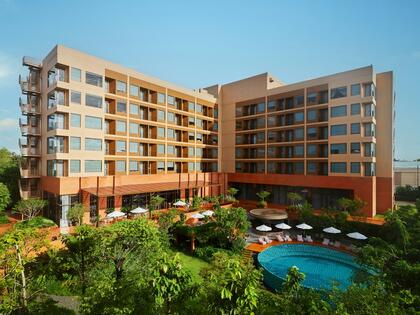
The festival is the busiest time of year in the city, so it pays to book early. Staying in the city centre makes it easy to slip in and out of the celebrations. Centara Ubon, right next to CentralPlaza Ubon, is a comfortable base for those long festival days, with a cool retreat waiting when the streets get too busy.
So, when should you go?
If you love clear skies, cool mornings and dramatic sunrises, come between November and February. If you want to walk the strange stone landscapes of Sam Phan Bok, plan for the dry months, ideally from February to April. If you want to see Ubon at its most festive and proud, time your trip for the Candle Festival in July.
Whichever season you choose, Ubon rewards those who slow down. Let the river set the pace, rise early for the light and leave room for the unexpected. Thailand's easternmost province has a way of surprising those who make the journey.

Share-
-
-
URL copied to your clipboard